Honda admits it underestimated Mexico City altitude after both Aston Martins retire
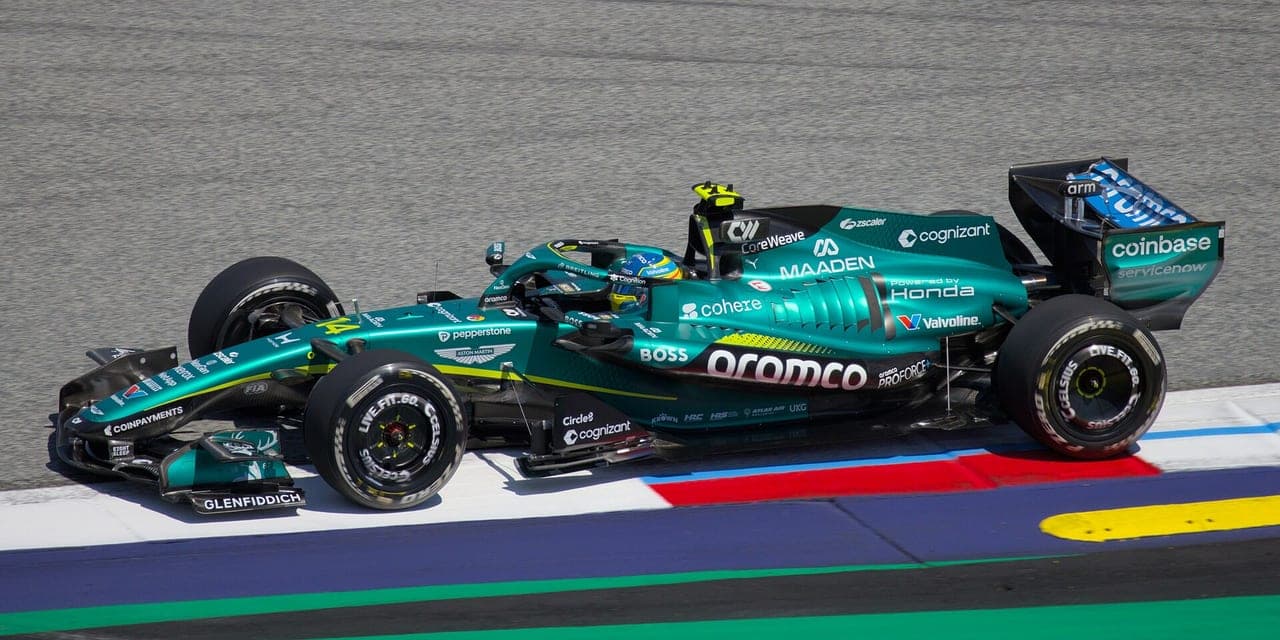
Honda's trackside chief Shintaro Orihara says the company misjudged how hard the thin air of Mexico City would hit the ERS cooling circuit. Both Aston Martins stopped on lap 5, and Honda plans to use the data for its 2027 power unit.
Both cars gone after five laps
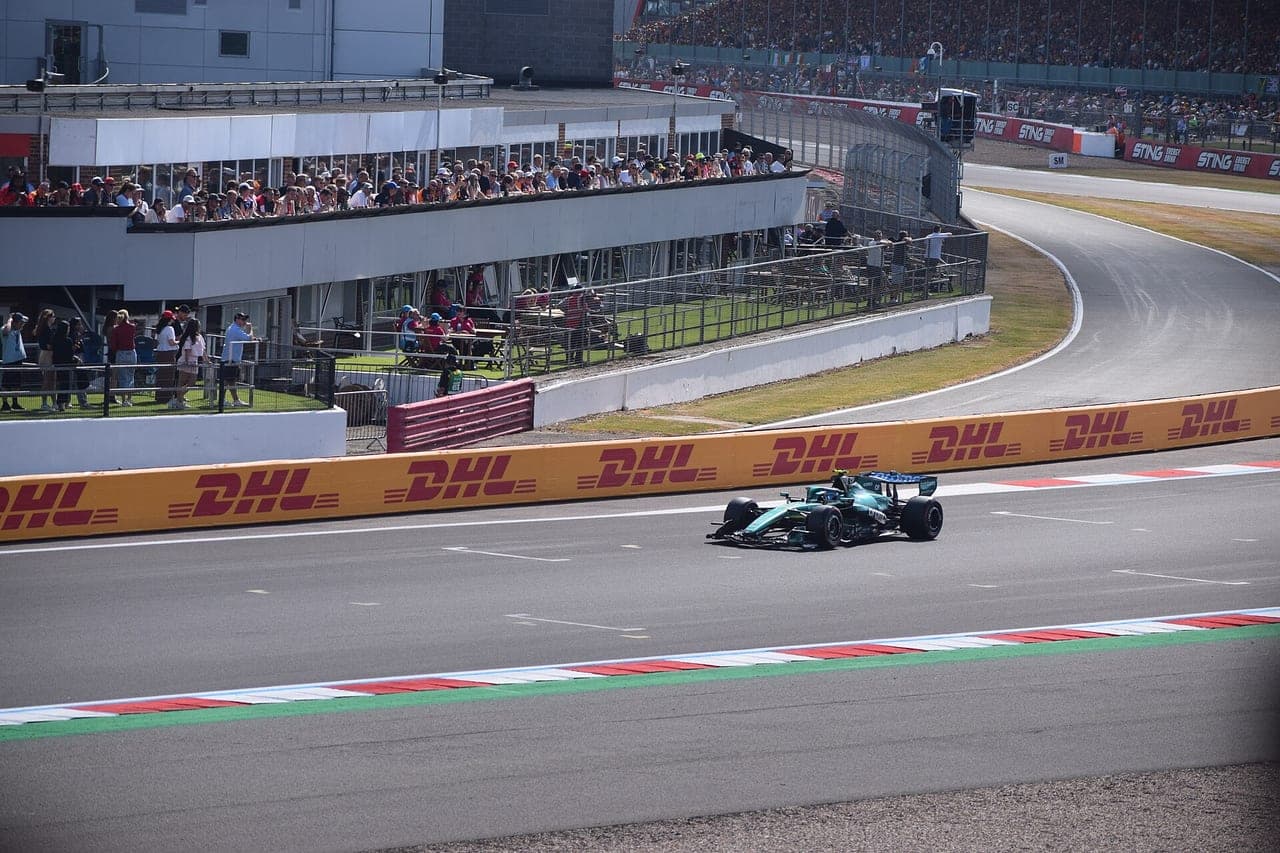
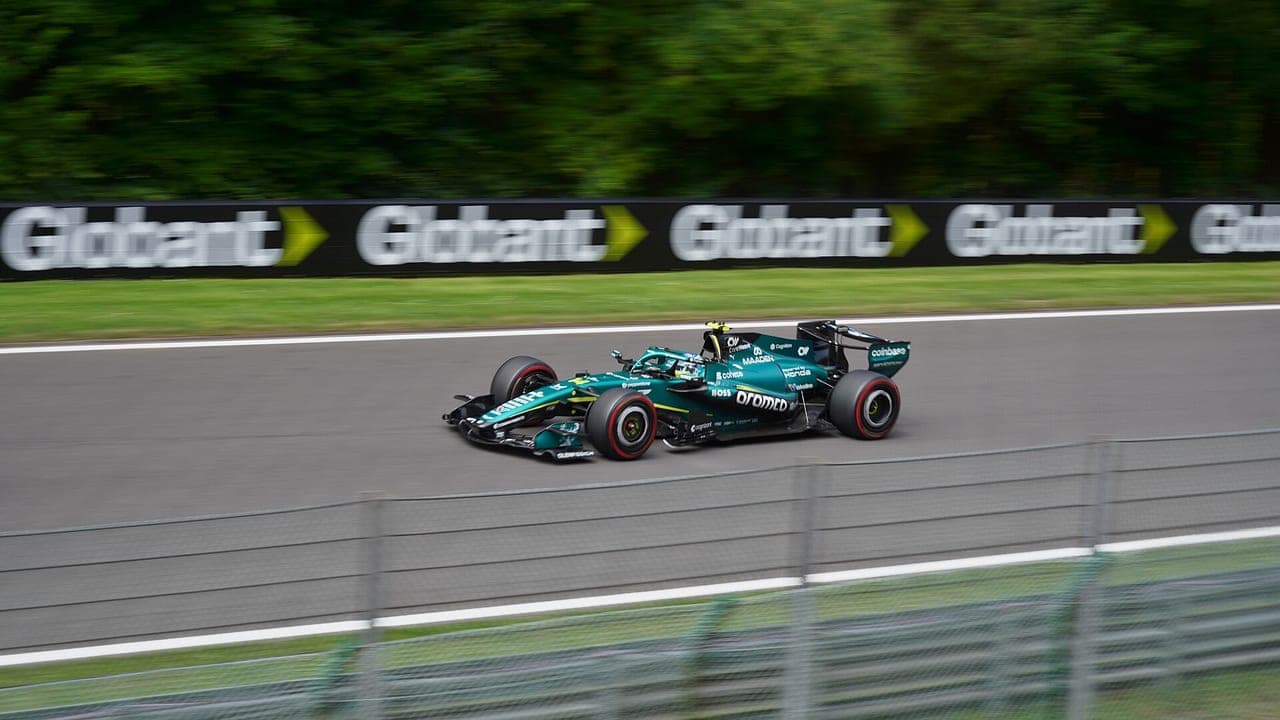
Aston Martin's Mexico City Grand Prix ended almost before it began. Fernando Alonso and Lance Stroll both retired on lap 5 of 71, and Honda now says the cause was its own misjudgement of a track that sits roughly 2,250 metres above sea level.
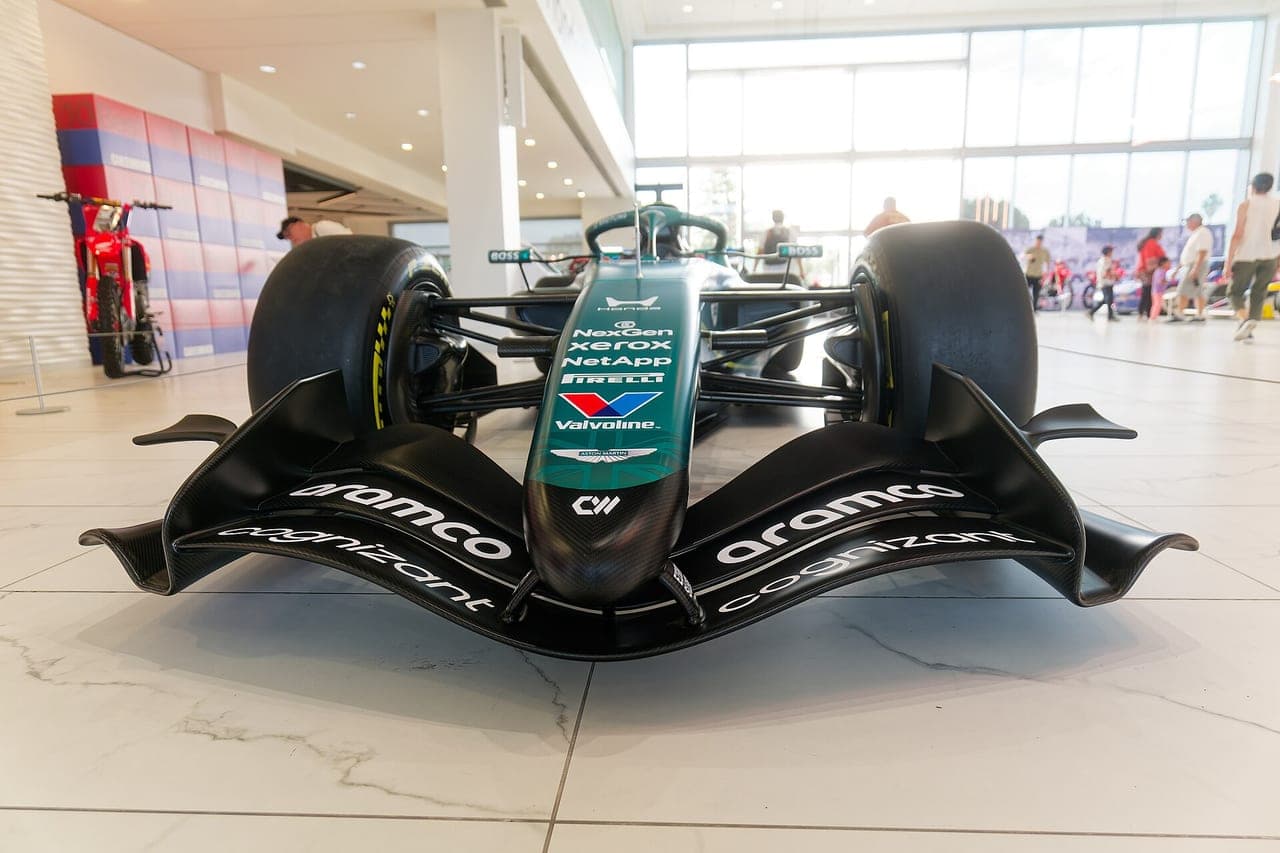
Shintaro Orihara, Honda's trackside general manager and chief engineer, said the company had expected extra cooling demands at altitude but underestimated how severe they would be. According to Autosport and RacingNews365, he explained that the ERS cooling circuit was under more stress than Honda had anticipated. Thinner air carries away less heat and makes the turbocharger work harder.
A fault that arrived late
Orihara said the problem had not shown itself in practice. Honda had fixed some driveability and turbo-lag issues between final practice and qualifying, and the cars covered 144 laps across the three practice sessions. The cooling trouble then appeared in qualifying and again in the race, forcing the team to stop the cars at different moments over the weekend.
Alonso reported "abnormal signals on the water systems" on Saturday and was held to 17th on the grid. Both Aston Martins went out in Q1, about four tenths of a second from the cut-off for Q2. Orihara also pointed to the newer, simpler power units: without the MGU-H, which once helped the turbo, turbo lag is harder to manage in thin air.
What the team says
Alonso said the car itself is good but that the engine can only complete a limited number of laps, and hoped the team would be better prepared next year. He added that by combining his best sectors he had been close to Williams' Carlos Sainz, even though he was probably carrying more fuel. Aston Martin's Mike Krack called reliability the main problem and said keeping morale up is difficult, while noting that a circuit with many low-speed corners could suit the car once driveability is solved. Stroll gave only brief answers.
By the numbers
Our race data shows how heavy the season has been for Alonso. Mexico City was his seventh retirement in 19 races, and he has scored 7 points this year. Stroll has not scored in 2026.
What comes next
Honda says it has substantial data from Mexico City, including on turbo lag, and will bring it back to the circuit next year. RacingNews365 reports that Honda's engine unit is also targeting a two-phase overhaul before the opening rounds of 2027. Aston Martin's own focus for the remaining races, Krack indicated, is reliability and driveability rather than outright pace. The next round is the Sao Paulo Grand Prix.